
Secondhand smoke is a severe health risk, particularly for infants and children. While many people know that smoking harms their health, they may not realize that the smoke they exhale or that lingers in the air can also harm those around them. In this article, Dr. Jasdeep Sidana will explore the health risks associated with secondhand smoke exposure to infants and children and offer tips for protecting them from this dangerous substance.
Why is Secondhand Smoke Harmful?
Secondhand smoke consists of the smoker’s exhaled breath and side-stream smoke from the burning end of a cigarette, cigar, or pipe containing nicotine, toxins, and more than 7,000 chemicals. This smoke contains carcinogens that can cause several types of cancer in adults and children. It can also lead to bronchitis and pneumonia symptoms in children since their lungs are still developing. On that note, Dr. Jasdeep Sidana urges everyone to refrain from smoking near others to be healthy together.
Health Risks of Secondhand Smoke Exposure for Infants
Infants are particularly vulnerable to the dangers of secondhand smoke because their bodies are still developing. Exposure to secondhand smoke has been linked to a higher risk of sudden infant death syndrome (SIDS), the leading cause of death for infants between one month and one year old. In addition, babies exposed to secondhand smoke are more likely to experience respiratory infections, including pneumonia and bronchitis. Infants exposed to secondhand smoke may also be more likely to develop asthma later in life.
Other risks of secondhand smoke exposure to infants are:
- Increased risk of ear infections
- Low birth weight
- Premature birth (through mothers during pregnancy)
- Developmental delays
- Cognitive deficits
- Behavioral problems
- Increased risk of childhood cancers, such as leukemia
Health Risks of Secondhand Smoke Exposure for Children
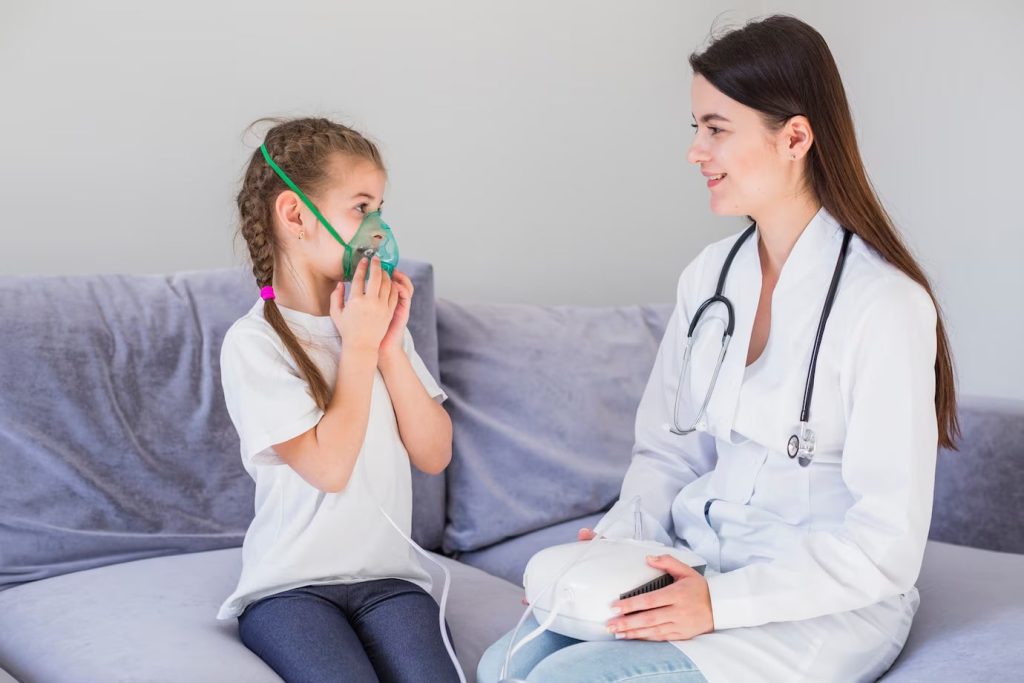
While children exposed to secondhand smoke are not at as high a risk of SIDS as infants, they still face a range of health risks. For example, exposure to secondhand smoke can trigger asthma attacks in children who already have asthma, and it can also increase the risk of respiratory infections, including pneumonia and bronchitis. In addition, Dr. Jasdeep Sidana emphasizes that children who are exposed to secondhand smoke are also more likely to develop ear infections, which can be painful and lead to temporary hearing loss.
Other risks of secondhand smoke exposure to children are:
- Increased risk of ear infections
- Decreased lung function
- Increased risk of sudden infant death syndrome (SIDS) for younger children
- Increased risk of dental problems, such as tooth decay and gum disease
- Increased risk of behavioral problems, such as hyperactivity and aggression
- Increased risk of cognitive deficits, such as learning difficulties and lower IQ
- Increased risk of childhood cancers, such as leukemia
Sources of Secondhand Smoke Exposure
- Homes: Children are most commonly exposed to secondhand smoke in their homes, particularly if they live with a smoker. Secondhand smoke can linger in carpets, furniture, and clothing long after the smoker has left the room, exposing children to harmful chemicals.
- Cars: Secondhand smoke exposure in cars can be particularly harmful because of the confined space. Children who ride in cars with smokers are at increased risk of respiratory problems and sudden infant death syndrome (SIDS).
- Public places: Children who frequent public places, such as parks, playgrounds, and restaurants, may be exposed to secondhand smoke from other patrons who smoke in these areas.
Dr. Jasdeep Sidana has been vocal about the dangers of secondhand smoke exposure for children. In a recent interview, Dr. Sidana emphasized that even brief exposure to secondhand smoke can negatively affect children.
Protecting Infants and Children from Secondhand Smoke Exposure

Quitting smoking is the best way to protect your children from secondhand smoke exposure. If you can’t quit, smoking outside and away from your children is the next best thing. You should also avoid smoking in the car, even if your children are absent. If you are in a public place where smoking is allowed, try to avoid those areas.
Dr. Jaadeep Sidana also recommends that parents and caregivers avoid smoking around children, create smoke-free environments in the home and car, and advocate for smoke-free public places. He also advises parents and caregivers to talk to their children about the dangers of smoking and the importance of avoiding secondhand smoke.
Overall, it’s essential to be aware of the sources of secondhand smoke exposure and take steps to protect children from this harmful substance. By working together, we can create a healthier environment for all children to grow and thrive.
It’s also important to talk to your healthcare provider about how to protect your children from secondhand smoke exposure. They may have additional tips or resources to help you keep your children safe.
Conclusion
Secondhand smoke is a serious health risk for infants and children. Exposure to secondhand smoke can lead to a range of health problems, including SIDS, respiratory infections, asthma, and ear infections. Therefore, it’s important to be aware of the sources of secondhand smoke exposure and to take steps to protect your children, such as quitting smoking, smoking outside, and avoiding places where smoking is allowed. By taking these steps, you can help ensure that your children grow up healthy and free from the dangers of secondhand smoke.